
95
The global transition toward electrified mobility is transforming the movement of people and goods across modern society. For more than a century, the internal combustion engine dictated automotive design, urban architecture, global supply chains, and petroleum exploration. Today, electric vehicles are replacing mechanical drivetrains with high-voltage battery packs, power electronics, and high-efficiency electric motors.
This shift extends far beyond swapping fuel tanks for lithium-ion cells. The rise of electric mobility is rewiring electrical grids, prompting redesigns of highway corridors, driving the development of software-defined vehicle architectures, and accelerating the commercialization of heavy-duty freight electrification. As governments tighten emissions regulations and battery economics reach parity with fossil fuels, the entire transportation ecosystem is undergoing its most profound structural realignment since the mass adoption of the assembly line.
The Evolution of Battery Chemistry and Vehicle Architecture
At the core of the electric mobility revolution is the rapid pace of electrochemical innovation. Early modern electric cars were constrained by limited range, heavy curb weights, and long recharging times. Modern engineering has systematically eliminated these friction points through improvements in cell design, pack architecture, and thermal management.
-
High-Nickel and Iron-Phosphate Chemistries: Contemporary vehicles predominantly deploy either nickel-manganese-cobalt (NMC) or lithium iron phosphate (LFP) formulations. High-nickel variations deliver the volumetric energy density required for long-distance passenger travel and high-performance applications. Meanwhile, cobalt-free LFP chemistry provides outstanding cycle life, superior thermal stability, and lower manufacturing costs, making electric transport accessible for mass-market passenger cars and high-utilization commercial delivery vans.
-
Cell-to-Pack Structural Integration: Automakers have transitioned away from modular battery formats toward structural battery packs. By bonding cells directly into the vehicle chassis, engineers eliminate intermediate housing, structural brackets, and excess wiring harnesses. This approach increases volumetric efficiency, reduces vehicle weight, and improves overall torsional rigidity.
-
Silicon-Composite Anodes and Solid-State Systems: Next-generation chemistries are actively replacing conventional graphite anodes with silicon-carbon composites. This significantly accelerates lithium-ion intercalation speeds and increases energy storage capacity per unit volume. Concurrently, all-solid-state designs replace flammable liquid electrolytes with solid ceramics or polymers, paving the way for non-combustible packs capable of handling ultra-fast charging rates without thermal degradation.
Modern Charging Ecosystems and Infrastructure Deployment
The viability of electric transportation depends entirely on the availability and reliability of high-speed charging infrastructure. Rather than relying exclusively on centralized gas stations, electric charging distributes energy delivery across residential driveways, commercial parking facilities, fleet depots, and dedicated highway superhubs.
Public fast-charging networks are standardizing on high-voltage architectures, moving from 400-volt systems to 800-volt and higher platforms. These elevated voltages permit direct current (DC) fast chargers to deliver power levels ranging between 350 kW and 480 kW without generating excessive heat within the charging cables. Liquid-cooled connectors and optimized power converters enable drivers to add 200 miles of driving range in less than ten minutes, narrowing the operational gap between conventional petroleum refueling and electric vehicle charging.
In urban centers where curbside overnight parking predominates, municipal planners are embedding Level 2 alternating current (AC) chargers into lampposts and utility poles. In select dense metropolitan transit hubs, automated battery-swapping stations allow commercial fleet drivers to exchange depleted packs for fully energized units in under three minutes, bypassing charging wait times altogether.
Grid Modernization and Vehicle-to-Grid Integration
As millions of electric vehicles enter global roadways, their interaction with the power grid is evolving from passive consumption into bidirectional collaboration. Uncoordinated charging during peak evening demand creates local distribution stress, but managed charging algorithms and bidirectional energy flows transform electric vehicles into decentralized grid assets.
-
Vehicle-to-Grid (V2G) Bi-Directionality: Equipped with onboard bidirectional inverters and standardized communication protocols, parked electric vehicles can discharge stored electrical energy back into local utility grids during periods of peak power consumption.
-
Peak Shaving and Load Balancing: Smart charging platforms leverage dynamic time-of-use utility rates to automatically schedule high-current charging during overnight hours or mid-day periods when solar and wind generation reaches surplus levels.
-
Virtual Power Plants (VPPs): Aggregators can link thousands of distributed electric vehicle batteries into synchronized networks. These virtual power plants provide instantaneous frequency regulation, reserve capacity, and emergency power backup during grid outages, reducing the need to fire up carbon-intensive peaking power plants.
Decarbonizing Commercial Fleets and Heavy Freight
While passenger sedans and crossover utility vehicles initially led the electric transition, commercial fleet operators are driving the next wave of electrification. Urban delivery fleets, regional distribution trucks, and municipal transit agencies operate on predictable routes and fixed schedules, making them well suited for electrification.
Transit agencies worldwide have deployed electric buses at scale, eliminating tailpipe pollution in dense urban corridors and lowering municipal operating budgets. In the logistics sector, major courier companies are deploying thousands of purpose-built electric delivery vans. These vehicles utilize regenerative braking in stop-and-go city traffic to recapture kinetic energy, reducing mechanical wear and optimizing route efficiency.
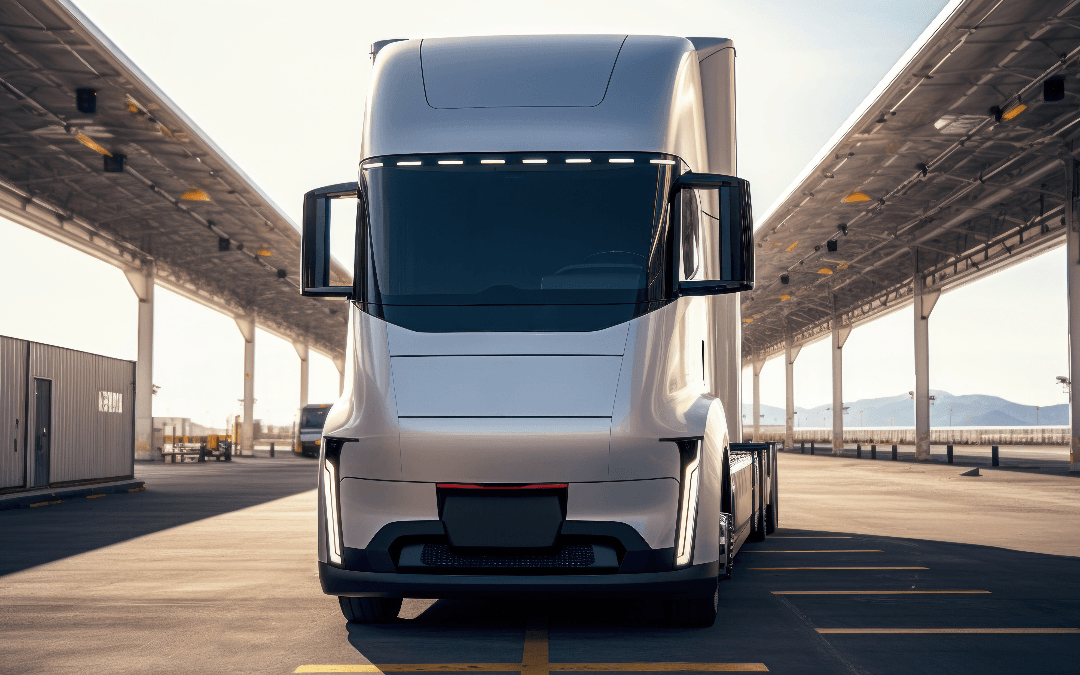
For heavy class-8 transport, megawatt-charging standards (MCS) deliver multi-megawatt power transfers during mandatory driver rest breaks. Combined with high-torque electric drive axles, long-haul battery-electric trucks conquer steep highway grades without power loss or diesel emissions.
Total Cost of Ownership and Economic Realignment
The economic calculation surrounding vehicle ownership is undergoing a fundamental shift. While electric vehicles often require higher upfront capital expenditures than comparable combustion models, their total cost of ownership over multi-year lifecycles is frequently lower.
Electric drivetrains are mechanically straightforward. A typical internal combustion powertrain contains thousands of moving, friction-bearing parts, including pistons, crankshafts, camshafts, fuel injectors, catalytic converters, and multi-speed automatic transmissions. In contrast, an electric drive unit consists of a single moving rotor, a simple reduction gearbox, and power electronics.
This mechanical simplicity eliminates recurring service items such as motor oil changes, spark plug replacements, timing belt adjustments, and exhaust system repairs. Coupled with electricity rates that are substantially lower per mile traveled than retail gasoline or diesel fuel, fleet operators and private consumers achieve substantial operational savings over the vehicle lifetime.
Software-Defined Vehicles and Autonomous Integration
Electrification serves as the foundation for the software-defined vehicle era. Modern electric platforms consolidate fragmented electronic control units into high-performance centralized computing clusters.
-
Centralized Electrical Architectures: By linking powertrain management, battery thermal dynamics, driver assistance sensors, and passenger infotainment into unified compute modules, automakers streamline vehicle manufacturing and drastically reduce wiring harness complexity.
-
Over-the-Air (OTA) Optimization: Centralized software architectures allow manufacturers to deploy over-the-air firmware updates that enhance battery efficiency, refine regenerative braking parameters, optimize charging curves, and unlock additional motor torque without requiring physical dealership visits.
-
Synergy with Autonomous Systems: High-voltage traction batteries provide the robust, continuous electrical power required to operate compute-heavy sensor suites, including lidar, radar, and optical cameras. The instant, drive-by-wire torque response of electric motors gives autonomous driving algorithms millimeter-level precision during low-speed maneuvers and high-speed highway merging.
Environmental Lifecycle and Circular Supply Chains
To maximize the ecological benefits of electric mobility, the automotive industry is addressing upstream and downstream emissions across the entire supply chain. Lifecycle emissions assessments confirm that even on fossil-heavy regional grids, electric vehicles generate significantly fewer carbon emissions over their operational lifetime than internal combustion alternatives.
As national energy grids integrate higher shares of renewables, the operational footprint of electric driving decreases continuously. Furthermore, closed-loop battery recycling processes are reaching commercial maturity. Hydrometallurgical and direct recycling facilities recover upwards of 95 percent of critical battery materials, including lithium, nickel, cobalt, and copper, from decommissioned packs and manufacturing scrap. This recycled feedstock re-enters cathode synthesis lines, reducing raw mineral extraction demands and creating an environmentally sustainable circular economy for transportation.
Frequently Asked Questions
How does extreme cold or hot weather affect battery degradation over several years?
Extreme ambient temperatures do not permanently damage modern electric vehicle batteries if active thermal management systems are operating properly. Cold temperatures temporarily increase internal electrolyte resistance, which temporarily reduces driving range and slows charging speeds. Extreme heat presents a greater risk for long-term cell degradation, but liquid-cooling loops actively circulate coolant to keep cells within their optimal thermal operating window of 68 degrees to 86 degrees Fahrenheit, preserving multi-year battery health.
What role do synthetic sound generators play in pedestrian safety for electric cars?
Because electric motors generate virtually no mechanical noise at low speeds, vehicles are equipped with Acoustic Vehicle Alerting Systems. These systems use waterproof external speakers to project artificial hums or tones when the vehicle moves forward or in reverse at speeds below approximately 18 to 20 miles per hour, alerting visually impaired individuals and distracted pedestrians to the approaching vehicle.
How do municipal fire departments adapt their emergency response techniques for lithium-ion battery fires?
Fighting high-voltage battery fires requires specialized training and sustained water application. Because internal cell short circuits can trigger cascading thermal reactions within sealed pack housings, firefighters focus on applying large volumes of cooling water directly to the battery enclosure to lower internal temperatures below the threshold of thermal runaway. Emergency responders also use thermal imaging cameras to track hot spots and utilize dedicated battery cutoff loops to de-energize high-voltage lines before performing vehicle extrications.
What happens to the mechanical lifespan of tires on electric vehicles compared to gas-powered vehicles?
Electric vehicles generally experience faster tire wear than equivalent internal combustion cars. This accelerated wear is driven by the heavier curb weight of high-capacity battery packs combined with the instantaneous, peak torque delivery of electric traction motors. To mitigate this effect, tire manufacturers engineer specialized compounds featuring reinforced sidewalls, low rolling resistance, and high-tensile internal belts designed to handle instant torque and vehicle mass without sacrificing tread longevity.
How do second-life battery projects repurpose decommissioned automotive packs for stationary energy storage?
When an electric vehicle battery degrades to roughly 70 to 80 percent of its original capacity, it may no longer provide the peak power or driving range desired for high-performance automotive travel. However, these decommissioned packs still retain substantial storage potential. Energy developers dismantle, test, and recertify these battery modules for stationary energy storage systems, pairing them with commercial solar installations or industrial facilities to smooth renewable energy output and provide backup power for up to ten additional years.
Can highway induction coils charge electric vehicles while driving at standard highway speeds?
Dynamic wireless charging systems use resonant inductive power transfer coils embedded directly beneath roadway asphalt to transmit power to receiving pads mounted on the vehicle underbody. While technically proven in controlled pilots and designated bus lanes, large-scale highway deployment faces economic and civil engineering challenges, including high upfront road construction costs, grid interconnection requirements along remote corridors, and mechanical stress caused by heavy truck traffic over the embedded coils.
What are the major differences in brake component wear between electric and traditional combustion vehicles?
Electric vehicles rely heavily on regenerative braking, which reverses the electric motor to convert kinetic energy back into electrical energy stored in the battery. Because the electric motor handles the majority of routine deceleration, mechanical friction brakes (calipers, rotors, and pads) experience minimal friction and heat wear. As a result, brake pads on electric vehicles often last more than 100,000 miles, requiring periodic inspection primarily to prevent caliper corrosion and pin seizing caused by underuse.
