
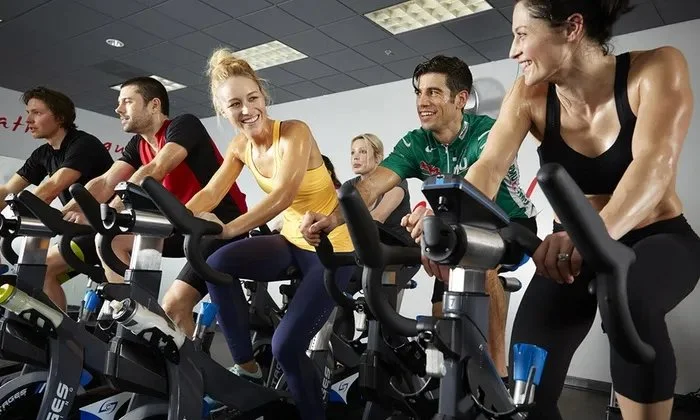
Cadence cues provide rhythm and structure, but riders do not need to match every target at the expense of resistance and stability. In spinning classes, cadence should work with a personally appropriate load rather than becoming a number pursued regardless of technique.
The instructor demonstrates the purpose of the track. Each participant still has a different training history, bike setup and capacity to produce force at speed.
Cadence Measures Speed, Not Workload
Cadence shows how quickly the pedals turn. It does not reveal how much resistance the rider is overcoming.
A high cadence with almost no resistance can produce less meaningful output than a slightly slower rhythm with better pedal connection. The rider may appear fast while the flywheel carries much of the movement.
Speed needs enough resistance to remain controlled.
The Instructor’s Bike Is Not Your Bike
Bike calibration can vary. The resistance adjustment used by the instructor may not feel identical on every station.
Body size, leg strength and cycling experience also affect the appropriate load. Copying a visible resistance setting is therefore unreliable.
Participants should follow the intended sensation and movement quality rather than trying to reproduce another person’s exact controls.
Low Resistance Creates False Cadence
When load is too low, the rider can reach the suggested rhythm by allowing the pedals to spin freely. The hips may begin bouncing.
This is not successful cadence work. The rider has exceeded the speed that can be controlled at the current resistance.
Adding a small amount of load or reducing cadence can restore connection.
Excessive Resistance Changes the Track
Some riders add too much load because they want the effort to feel harder. Cadence drops, and a sprint becomes a slow climb.
The muscular demand may be high, but it no longer matches the intended training focus. The rider also may pull heavily on the handlebars.
Resistance should support the track rather than replace it with a different one.
Cadence Ranges Provide Flexibility
When an instructor offers a range, participants do not need to reach the upper limit. The lower end may provide the correct combination of speed and control.
A rider can progress within the range over time. Consistent technique at a moderate cadence is a stronger foundation than repeated attempts at a number that causes bouncing.
Ranges acknowledge individual differences while preserving the class structure.
Music Can Encourage Over-Speeding
A strong beat creates a natural desire to pedal at the musical rhythm. Some tracks may be faster than the rider can control safely.
The participant can pedal at a reduced rhythm that still relates to the music, such as following every second beat where appropriate. Instructor guidance should determine available options.
Musical engagement should not override stability.
Fatigue Changes Personal Cadence Capacity
A cadence that feels controlled early may become unsuitable after several hard tracks. The rider’s ability to manage the pedals changes.
Reducing speed later in the class does not mean the earlier effort was incorrect. It reflects accumulated fatigue.
Personal resistance and cadence should remain adjustable throughout the session.
High Cadence Requires Setup Quality
An excessively high saddle can cause the pelvis to rock as the rider reaches for the bottom of the pedal stroke. A low saddle may create a cramped motion.
Handlebar position also affects upper-body stability. Setup problems become more visible when speed rises.
Riders should establish a suitable position before judging cadence ability.
Use Technique as the Final Standard
A controlled cadence usually includes:
- Stable hips on the saddle.
- Smooth pressure through both pedals.
- A relatively quiet upper body.
- Secure feet.
- Manageable breathing.
- Resistance that can be felt throughout the cycle.
When several qualities disappear, the rider should adjust even if the target number has not been reached.
Cadence Progression Needs Practice
Leg speed can improve through repeated exposure. Riders can spend short periods near the upper edge of their controlled range, then return to a manageable rhythm.
This develops coordination without requiring the entire track to be performed beyond current capacity.
At True Fitness Singapore, instructor cueing can provide cadence targets while riders select resistance and speed combinations suitable for their own control.
Personal Control Is the Real Target
The instructor’s cadence is a guide to the character of the track. It is not an absolute test that every rider must pass.
Participants should preserve the relationship between cadence, resistance and technique. A slightly slower rhythm performed with stable hips and purposeful pressure provides a better training effect than chasing speed through an uncontrolled pedal stroke.
