
106
Developing a personal style is not about copying runway trends or buying an entirely new wardrobe every season. True style is an authentic form of visual communication. It signals your values, aesthetic preferences, lifestyle demands, and personality to the world without saying a word.
Many people find getting dressed each morning frustrating because their closets are filled with disconnected pieces bought on impulse. Building a coherent aesthetic requires self-reflection, deliberate curation, and an understanding of proportions, fabrics, and silhouettes. By approaching your wardrobe with intentionality, you can cultivate a distinctive, functional personal style that feels effortless and enduring.
The Difference Between Fashion Trends and Personal Style
To establish a distinctive aesthetic, one must first recognize the boundary between fashion and style. Fashion is cyclical, market-driven, and temporary. It represents the garments, colors, and cuts promoted by designers and fast-fashion retailers during a specific moment in time.
Personal style, by contrast, is individual, lasting, and self-directed. It takes elements of fashion and filters them through a personal lens. While fashionable individuals may wear whatever is currently popular, stylish individuals wear what suits their physique, aligns with their lifestyle, and reflects their point of view. Developing a unique style means learning to appreciate fashion without becoming a passive consumer of every passing trend.
Conducting a Wardrobe and Lifestyle Audit
A successful style transformation begins with what you already own. Most people wear a fraction of their wardrobe regularly, leaving the rest untouched due to poor fit, discomfort, or lack of versatility.
-
Categorize Your Daily Life: Calculate how you actually spend your time. If you spend eighty percent of your week in a casual work environment and twenty percent at formal gatherings, your wardrobe should reflect that balance. Buying evening wear that sits unworn while neglecting everyday essentials creates daily dressing friction.
-
Identify Repeat Favorites: Pull out the five to ten items you wear most frequently. Examine their similarities. Are they tailored or relaxed? Neutral or colorful? Structured or soft? These recurring choices point directly toward your intuitive aesthetic baseline.
-
Remove the Clutter: Discard or donate items that do not fit properly, cause physical discomfort, or have remained unworn for over a year. A lean, functional closet makes it easier to see gaps and assemble outfits quickly.
Identifying Your Aesthetic Influences and Building a Mood Board
Developing a visual identity requires gathering references from outside your immediate surroundings. Inspiration can come from architecture, cinema, fine art, historical periods, subcultures, or specific design philosophies.
Begin collecting images that resonate with you visually, regardless of whether you currently own similar clothing. Digital boards or physical scrapbooks work equally well. Look for recurring themes within your collection. You might notice an affinity for mid-century tailoring, minimalist architectural lines, rugged utilitarian workwear, or vintage bohemian textiles.
Once you have gathered thirty to fifty images, write down three to five descriptive words that encapsulate the overall mood. Words like structured, understated, relaxed, eclectic, or vintage serve as a clear rubric. When shopping in the future, evaluate every potential purchase against these core descriptive words.
Understanding Silhouettes, Proportions, and Color Palettes
A successful outfit relies on balance and visual harmony. Understanding how different cuts interact with your body frame allows you to make deliberate choices about which features to emphasize.
-
Mastering the Rule of Proportions: Visual interest often comes from contrasting volumes. Pairing an oversized knit sweater with slim trousers, or wide-leg trousers with a fitted top, creates balance. Wearing all loose garments can look shapeless without intentional styling, while wearing all tight garments can appear flat.
-
Tailoring and Fit: The difference between an average outfit and an exceptional one often comes down to tailoring. Off-the-rack clothing is manufactured for generalized averages. Hemming trousers to the correct break, shortening sleeves, and taking in jackets transforms standard garments into custom pieces.
-
Establishing a Signature Color Palette: Color sets the emotional tone of an outfit. Build a core foundation around reliable neutrals such as navy, charcoal, black, cream, olive, or camel. Once your foundation is established, introduce one or two secondary accent colors, like rich burgundy, cobalt, or forest green, to add depth without causing wardrobe mismatches.
Building a Versatile Capsule Foundation
A signature style relies on dependable, high-quality base layers. These foundational pieces anchor bolder, expressive garments and ensure you can assemble outfits for any occasion.
-
Classic Outerwear: A well-cut trench coat, structured wool overcoat, or tailored leather jacket pulls diverse elements together instantly.
-
High-Quality Basics: Crisp white button-down shirts, heavy cotton tees, and fine-gauge knitwear in neutral tones serve as versatile building blocks.
-
Durable Bottoms: Dark raw denim, well-fitted chinos, and tailored wool trousers can be dressed up or down with simple changes in footwear.
-
Versatile Footwear: Clean leather boots, classic loafers, and minimalist sneakers provide the foundation for almost any daily ensemble.
When purchasing foundation pieces, prioritize natural fibers like wool, cotton, linen, and silk over synthetic blends. Natural fabrics breathe better, drape more elegantly, and age with character over years of wear.
Incorporating Signature Elements and Accessories
Signature elements are the specific, recurring details that make your outfits unmistakably yours. They act as your visual trademark and separate personal style from generic catalog dressing.
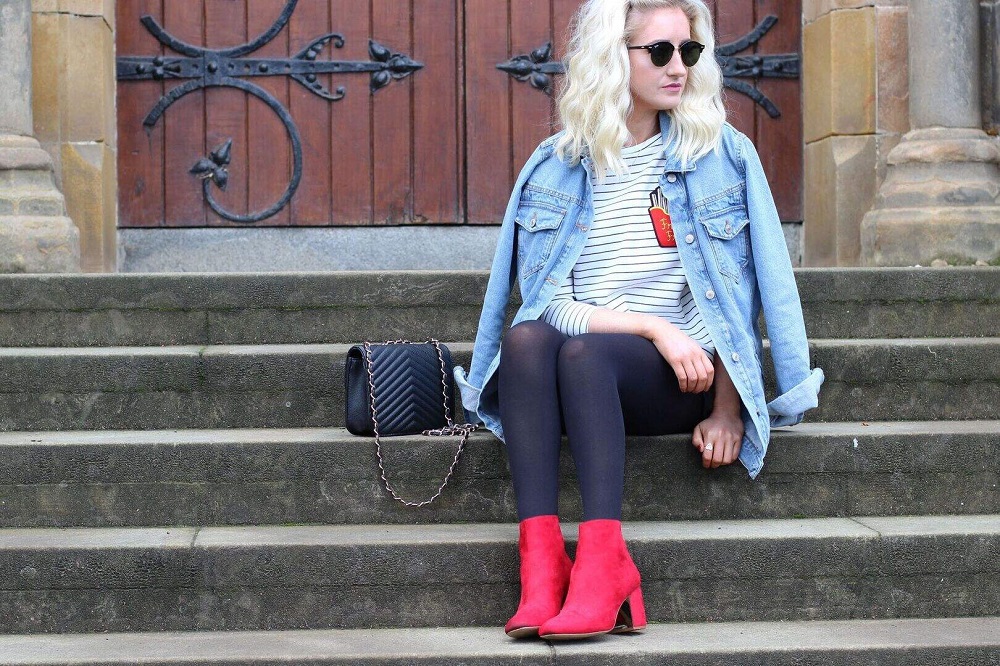
A signature element can be subtle or bold. It might be a preference for vintage silver jewelry, a specific way of rolling your sleeves, always wearing silk neck scarves, or favoring a particular frame shape for your eyewear. Accessories carry high styling value because they can alter the mood of an entire outfit without requiring a change of clothing. Adding a structured leather belt and polished oxfords turns casual denim into a sharp daytime look, while pairing the same jeans with canvas sneakers creates an understated weekend appearance.
The Iterative Process: Experimentation and Refinement
Cultivating an individual aesthetic is an ongoing process of trial, error, and refinement. Your personal style will naturally adapt as your lifestyle, age, and career evolve.
Take deliberate risks within low-stakes environments. Experiment with layering unexpected textures, mixing subtle patterns like stripes and houndstooth, or incorporating a vintage statement jacket into a modern, minimalist outfit. Pay close attention to how you feel throughout the day in different combinations. Confidence is the most critical component of style; if a garment feels unnatural or restrictive to wear, it will look disconnected regardless of its visual appeal.
Frequently Asked Questions
How can someone develop a personal style while on a limited budget?
Focus on thrift stores, vintage shops, and consignment platforms to find high-quality natural fibers and unique vintage cuts at lower prices. Invest your limited funds in tailoring to make inexpensive thrifted items fit your exact measurements. A well-tailored inexpensive shirt looks significantly better than an ill-fitting designer garment.
How do you avoid looking outdated when focusing on timeless style?
Timeless styling remains modern by balancing classic pieces with contemporary cuts and modern styling techniques. Pairing a traditional trench coat with modern relaxed denim or minimalist sneakers keeps the overall aesthetic fresh rather than costume-like.
What is the best way to break out of a fashion rut?
Set small, specific styling constraints for one week. Challenge yourself to wear clothing items you have ignored for months, test a new color combination from your mood board, or try a different way of layering existing pieces. Documenting your daily outfits with photos helps you evaluate what works from an objective perspective.
How does body shape impact the development of a personal aesthetic?
Body shape does not restrict which aesthetics you can pursue, but it does inform which cuts and proportions will look most harmonious. Focus on understanding fabric drape, waistlines, and hem lengths to adapt your chosen aesthetic to your natural proportions comfortably.
Can a person have more than one distinct style aesthetic?
Yes. Many people maintain a stylistic duality, such as minimalist tailored workwear during the week and rugged, functional outdoor wear on the weekends. The key is ensuring that each aesthetic aligns with your actual lifestyle and shares a consistent standard of fit, quality, and intention.
How long does it typically take to cultivate a recognizable personal style?
Developing a mature, distinct style usually takes several months to a year of deliberate experimentation, closet editing, and mindful shopping. It is an evolutionary process that refines over time as you gain a clearer understanding of what makes you feel comfortable and confident.
How do you balance comfort with looking polished?
Prioritize premium natural textiles, like merino wool, breathable linen, and soft cotton twill, which offer substantial stretch and breathability while maintaining structured shapes. Choosing relaxed, tailored silhouettes over tight, restrictive cuts ensures ease of movement without appearing sloppy.
