
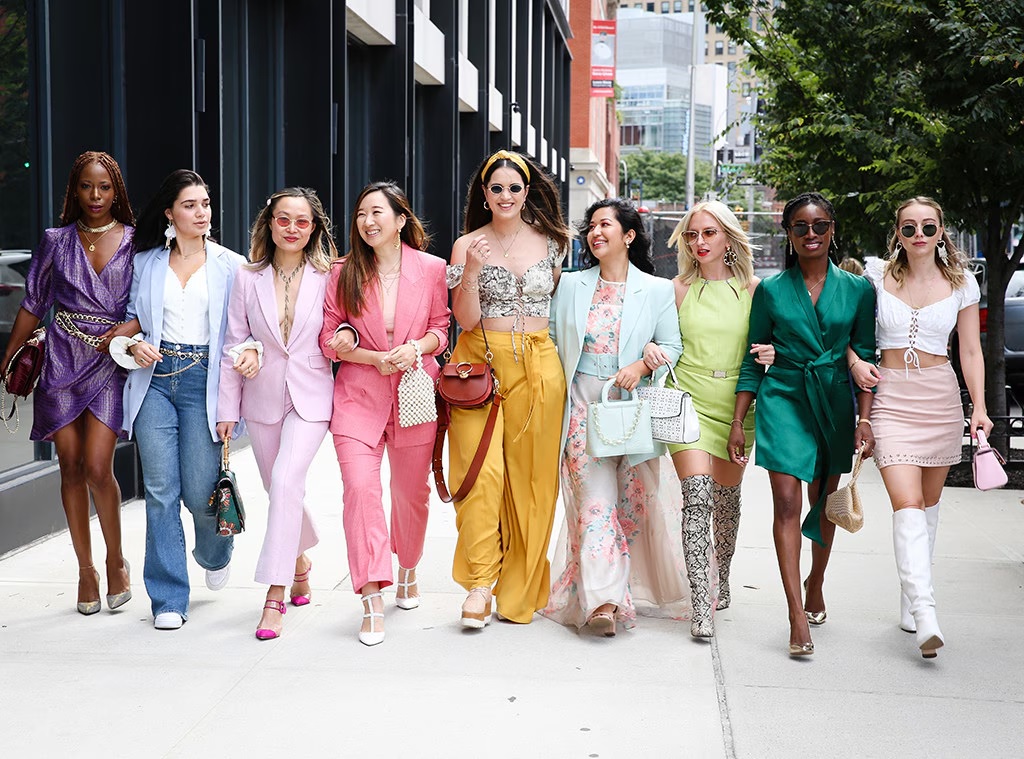
Fashion is more than just clothing; it is a dynamic form of self-expression, culture, and lifestyle. The fashion industry encompasses design, production, marketing, and retailing of apparel, accessories, and footwear. Over the years, fashion has evolved with cultural shifts, technological advancements, and consumer preferences. From haute couture and streetwear to sustainable fashion and digital trends, the industry continues to redefine style and creativity.
The Evolution of Fashion
Fashion has a rich history that reflects societal changes and technological progress. In ancient times, clothing served functional purposes, protecting humans from the environment. Over centuries, garments evolved to convey social status, identity, and cultural values.
The Industrial Revolution enabled mass production, making fashion accessible to wider audiences. In the 20th century, designers like Coco Chanel, Christian Dior, and Yves Saint Laurent shaped modern fashion through innovation and artistic vision. Today, the digital era and globalization have democratized fashion, connecting designers, influencers, and consumers worldwide.
Key Sectors of the Fashion Industry
Fashion encompasses multiple sectors, each catering to diverse consumer needs and styles:
1. Apparel and Clothing:
Apparel is the core of fashion, including casual wear, formal wear, activewear, and luxury clothing. Brands now emphasize versatility, comfort, and functionality while maintaining style and trends. Fast fashion brands produce affordable collections quickly, while high-end designers focus on quality, craftsmanship, and exclusivity.
2. Accessories and Footwear:
Accessories like bags, jewelry, hats, and scarves complement outfits and enhance personal style. Footwear ranges from casual sneakers and formal shoes to high-fashion heels and boots. Collaborations between designers and footwear brands have also gained popularity, blending fashion with lifestyle trends.
3. Sustainable and Ethical Fashion:
Sustainable fashion prioritizes environmentally responsible production, using organic materials, reducing waste, and promoting ethical labor practices. Consumers increasingly favor brands committed to sustainability, transparency, and ethical sourcing.
4. Digital and Influencer-Driven Fashion:
Social media platforms like Instagram, TikTok, and Pinterest have transformed fashion marketing and trend-setting. Influencers, bloggers, and content creators showcase outfits, styling tips, and new collections, directly influencing consumer choices and brand strategies.
5. Fashion Technology:
Technological innovations are reshaping fashion, including 3D printing, virtual fittings, AI-driven design, and augmented reality (AR) for virtual try-ons. These technologies enhance creativity, efficiency, and personalized shopping experiences.
Current Fashion Trends
Fashion trends are constantly evolving, influenced by culture, media, and consumer behavior. Some prominent trends today include:
1. Sustainable Fashion and Eco-Friendly Materials:
Organic cotton, recycled fabrics, and biodegradable materials are gaining popularity. Brands emphasize reducing carbon footprints and encouraging responsible consumption.
2. Streetwear and Casual Fashion:
Streetwear combines comfort, style, and self-expression. Oversized hoodies, sneakers, graphic tees, and casual layering are central elements of this trend, appealing to younger audiences globally.
3. Gender-Neutral and Inclusive Fashion:
Inclusive fashion embraces diversity in body types, gender identities, and cultural representation. Unisex clothing lines and adaptive apparel reflect the industry’s commitment to accessibility and social awareness.
4. Retro and Vintage Styles:
Fashion often revisits past decades for inspiration. Vintage denim, flared pants, and classic prints from the 70s, 80s, and 90s are being reimagined in contemporary collections.
5. Technology-Integrated Fashion:
Smart textiles, wearable tech, and AR-enhanced shopping experiences are reshaping how consumers interact with fashion. AI-driven personalization recommends clothing based on style preferences and trends.
Challenges in the Fashion Industry
Despite its glamour, the fashion industry faces several challenges:
1. Environmental Impact:
Fast fashion contributes significantly to pollution, water consumption, and textile waste. Brands must adopt sustainable practices to reduce environmental harm.
2. Labor Practices:
Ensuring fair wages and safe working conditions in manufacturing units remains a critical concern, particularly in regions producing low-cost clothing.
3. Market Saturation and Competition:
The global fashion market is highly competitive, with brands constantly innovating to attract consumer attention while balancing quality, pricing, and style.
4. Counterfeit Products:
Counterfeit fashion items undermine brand value and revenue, requiring strict intellectual property enforcement and consumer awareness campaigns.
5. Shifting Consumer Preferences:
Rapidly changing trends and consumer expectations necessitate agile design, production, and marketing strategies to remain relevant.
Opportunities for Fashion Enthusiasts and Industry Professionals
The evolving fashion landscape offers numerous opportunities:
- Global Market Access: Digital platforms allow brands to reach international consumers without geographical limitations.
- Collaborative Creativity: Designers, influencers, and brands collaborate for limited collections, capsule lines, and marketing campaigns.
- Sustainable Innovation: Sustainable fashion encourages creativity in material sourcing, design, and production methods.
- Personalized Shopping Experiences: AI, AR, and virtual fittings enhance customization and consumer satisfaction.
- Cultural Representation: Fashion increasingly embraces diversity, reflecting global cultures and promoting inclusivity.
The Future of Fashion
The future of fashion will be shaped by technology, sustainability, and consumer engagement:
1. Sustainable Fashion Dominance:
Eco-conscious consumers will drive demand for sustainable collections, prompting innovation in materials, production, and supply chains.
2. Virtual and Digital Fashion:
Virtual fashion shows, digital clothing for avatars, and NFT-based fashion items will redefine ownership, marketing, and experiences in the digital space.
3. AI and Data-Driven Design:
AI will assist in trend forecasting, design, and production optimization, reducing waste and improving efficiency.
4. Inclusive and Adaptive Fashion:
The industry will increasingly prioritize inclusivity, offering adaptive clothing for people with disabilities and styles for diverse body types.
5. Fashion-Driven Experiences:
Experiential retail, pop-up stores, and interactive brand campaigns will combine entertainment with fashion, enhancing consumer engagement.
FAQs About Fashion
1. How is sustainable fashion different from traditional fashion?
Sustainable fashion prioritizes eco-friendly materials, ethical labor practices, and reduced environmental impact, unlike traditional fast fashion.
2. What are the current popular fashion trends?
Sustainable clothing, streetwear, retro styles, gender-neutral apparel, and technology-integrated fashion are trending globally.
3. How do influencers impact fashion trends?
Influencers showcase styles, brand collaborations, and personalized outfits on social media, directly influencing consumer purchasing decisions.
4. What role does technology play in modern fashion?
Technology enables virtual fittings, AI-driven design, wearable tech, and augmented reality shopping experiences, enhancing creativity and convenience.
5. How is the fashion industry addressing inclusivity?
Inclusive fashion focuses on gender-neutral clothing, adaptive apparel for disabilities, and diverse representation in campaigns and runway shows.
6. What challenges does fast fashion pose to the environment?
Fast fashion contributes to textile waste, water pollution, and high carbon emissions due to rapid production cycles and disposable clothing trends.
7. How can consumers support ethical fashion?
Consumers can choose sustainable brands, prioritize quality over quantity, recycle clothing, and advocate for fair labor practices.
