
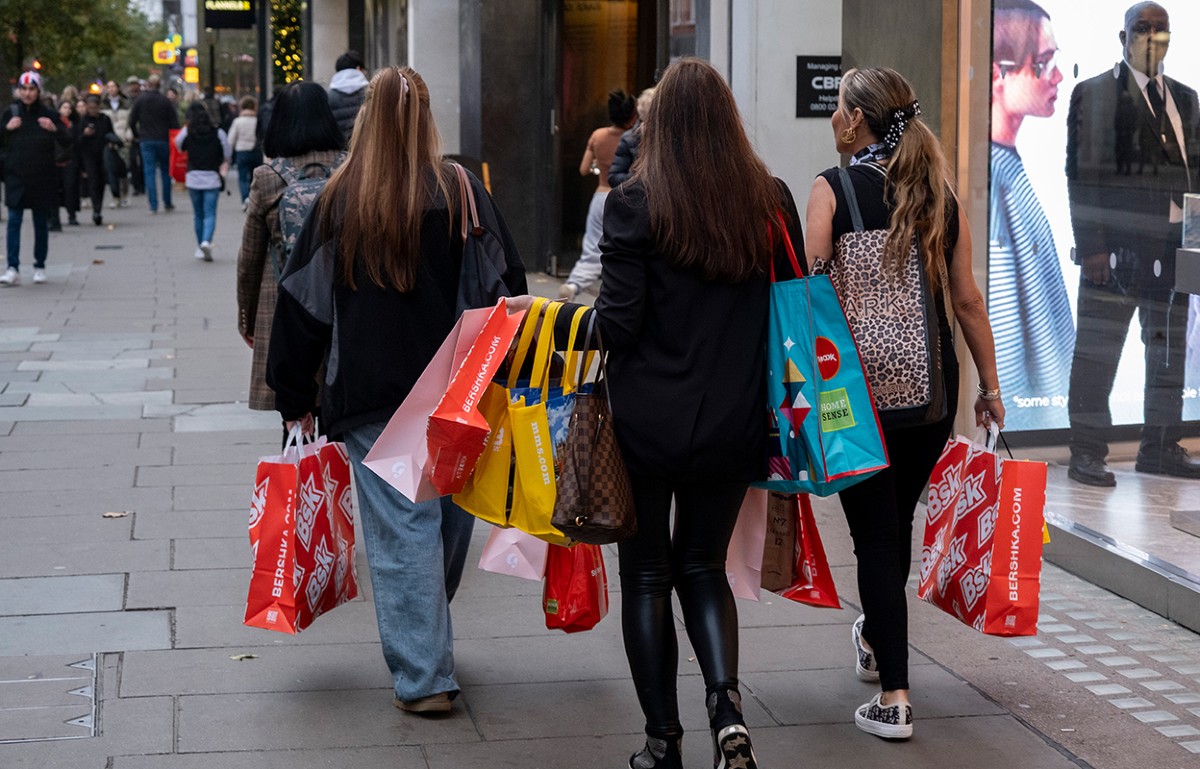
Shopping is a fundamental activity that affects our daily lives, shaping consumer behavior, economic trends, and lifestyle choices. From purchasing everyday essentials to indulging in luxury items, shopping has evolved into a multifaceted experience that blends convenience, technology, and personalization. In this guide, we explore the various types of shopping, strategies for smarter purchases, trends shaping the industry, and how technology continues to redefine the shopping experience.
What is Shopping?
Shopping refers to the process of browsing, selecting, and purchasing goods or services. It can occur in physical stores, online platforms, or through mobile applications. Beyond the basic act of buying, shopping has become a lifestyle activity influenced by social trends, technological advancements, and individual preferences.
Key aspects of shopping include:
- Decision-making: Choosing the right product involves comparing quality, price, and brand value.
- Budget management: Effective shopping balances needs and spending capacity.
- Consumer experience: The environment, convenience, and service quality shape shopping satisfaction.
Shopping is not merely transactional; it also reflects personal identity, social behavior, and cultural trends.
Types of Shopping
Shopping can be categorized based on the method, purpose, and frequency. Understanding these types can help consumers make informed choices:
1. In-Store Shopping
Traditional shopping in physical stores allows customers to interact with products directly. Advantages include:
- Hands-on experience with items
- Immediate availability
- Personalized customer service
- Opportunities for in-store promotions and discounts
Challenges include time consumption, travel, and limited inventory compared to online options.
2. Online Shopping
E-commerce has revolutionized the shopping experience, providing convenience and variety. Key features include:
- Access to global products from home
- Price comparison and product reviews
- Easy return and exchange policies
- Mobile app integration for on-the-go shopping
Popular online platforms offer curated recommendations, subscription services, and AI-driven personalization.
3. Window Shopping
Window shopping refers to browsing products without immediate intent to buy. It serves as:
- A source of inspiration for future purchases
- A way to explore trends and styles
- A method for comparing brands and prices
Though not directly transactional, window shopping influences purchasing decisions over time.
4. Grocery and Essential Shopping
Essential shopping focuses on daily necessities such as food, personal care, and household items. Efficient strategies include:
- Using shopping lists to avoid impulse buying
- Opting for bulk purchases for frequently used items
- Exploring subscription or delivery services for convenience
This type of shopping emphasizes planning, budgeting, and time efficiency.
5. Luxury and Lifestyle Shopping
Luxury shopping involves high-end fashion, electronics, or lifestyle products. Features include:
- Exclusive product lines and limited editions
- Premium customer service and personalized experiences
- Brand prestige and social status
Consumers in this category prioritize quality, design, and brand value over cost.
Shopping Trends Shaping Consumer Behavior
The shopping industry is constantly evolving, influenced by technology, societal changes, and consumer preferences. Key trends include:
1. Rise of E-Commerce
Online shopping has become a dominant force, with platforms offering:
- Wide product selection
- Seamless payment options
- AI-driven personalized recommendations
- Contactless delivery and tracking
Consumers increasingly prefer online platforms for convenience and competitive pricing.
2. Mobile Shopping
Mobile applications have made shopping accessible anytime, anywhere. Benefits include:
- Quick product search and purchase
- Push notifications for deals and promotions
- Integration with digital wallets for secure transactions
- Loyalty programs and rewards directly on the device
Mobile commerce is transforming the way consumers interact with brands.
3. Social Commerce
Shopping through social media platforms merges social interaction with purchasing. Key features include:
- Influencer-driven product recommendations
- Live shopping events and interactive promotions
- Social proof through reviews and community engagement
Social commerce leverages trust and engagement to drive sales.
4. Sustainable Shopping
Eco-conscious consumers are increasingly prioritizing sustainable and ethical products. Features include:
- Products made from recycled or eco-friendly materials
- Ethical sourcing and fair-trade certifications
- Minimalist packaging and reduced carbon footprint
Sustainable shopping reflects growing awareness about environmental impact.
5. Omnichannel Shopping
Omnichannel strategies combine online and offline experiences to provide a seamless journey. Features include:
- Buy online, pick up in-store (BOPIS) options
- Integrated loyalty programs
- Consistent branding and personalized offers across platforms
Omnichannel shopping enhances convenience and customer satisfaction.
Tips for Smart Shopping
Successful shopping involves more than just spending money. Adopting strategic approaches ensures better value and satisfaction:
- Set a budget: Define spending limits to prevent impulse purchases.
- Research products: Compare specifications, read reviews, and explore alternatives.
- Use coupons and discounts: Take advantage of seasonal sales, cashback offers, and promo codes.
- Plan purchases: Prioritize essential items and avoid last-minute decisions.
- Evaluate quality over price: Long-term value often outweighs short-term savings.
- Track spending habits: Analyze purchases to optimize future shopping decisions.
Smart shopping combines planning, research, and mindfulness to maximize value and reduce regret.
Technology and the Future of Shopping
Technology continues to reshape shopping in significant ways:
- Artificial Intelligence: AI analyzes consumer behavior to provide personalized recommendations.
- Augmented Reality (AR): AR allows virtual try-ons for clothing, accessories, and home décor.
- Voice Commerce: Smart assistants like Alexa and Google Assistant enable hands-free shopping.
- Blockchain Technology: Ensures transparency in supply chains and secure payment processing.
- Robotics and Automation: Automated warehouses and delivery drones speed up order fulfillment.
Technological advancements aim to enhance convenience, personalization, and overall consumer satisfaction.
Challenges in Modern Shopping
Despite its benefits, shopping also presents challenges for consumers:
- Overconsumption: Impulse buying can lead to financial strain.
- Privacy concerns: Online shopping platforms collect and store personal data.
- Product quality issues: Misleading advertisements or poor product standards can disappoint buyers.
- Returns and logistics: Managing returns or delays in delivery can be inconvenient.
Awareness and informed strategies can help overcome these challenges and improve the shopping experience.
Conclusion
Shopping is an evolving activity that blends practicality, pleasure, and technology. From traditional in-store experiences to cutting-edge online platforms, consumers now have more options than ever before. Understanding shopping trends, adopting smart strategies, and leveraging technology can enhance satisfaction, save time, and maximize value. Whether shopping for essentials, luxury items, or lifestyle products, informed decisions and strategic planning are key to a successful and enjoyable shopping experience.
FAQs About Shopping
1. What is the difference between online and in-store shopping?
Online shopping provides convenience, a wide product range, and home delivery, while in-store shopping offers a hands-on experience, immediate purchase, and personalized service.
2. How can I save money while shopping?
Use coupons, explore seasonal sales, compare prices, buy in bulk for essentials, and prioritize quality over low-cost alternatives.
3. What is omnichannel shopping?
Omnichannel shopping integrates online and offline experiences, allowing consumers to shop seamlessly across multiple platforms, including in-store, mobile, and online websites.
4. How is technology changing shopping?
AI-driven recommendations, AR try-ons, voice commerce, blockchain payment security, and automated delivery systems are transforming convenience, personalization, and transparency.
5. What is sustainable shopping?
Sustainable shopping emphasizes eco-friendly, ethically sourced products that minimize environmental impact and support fair trade practices.
6. How do social media platforms influence shopping?
Social media enables influencer recommendations, live shopping events, interactive promotions, and community engagement, driving consumer trust and purchasing decisions.
7. How can I plan smart shopping for essentials?
Create a shopping list, budget effectively, track spending habits, use subscription services for recurring items, and research product options in advance.
