
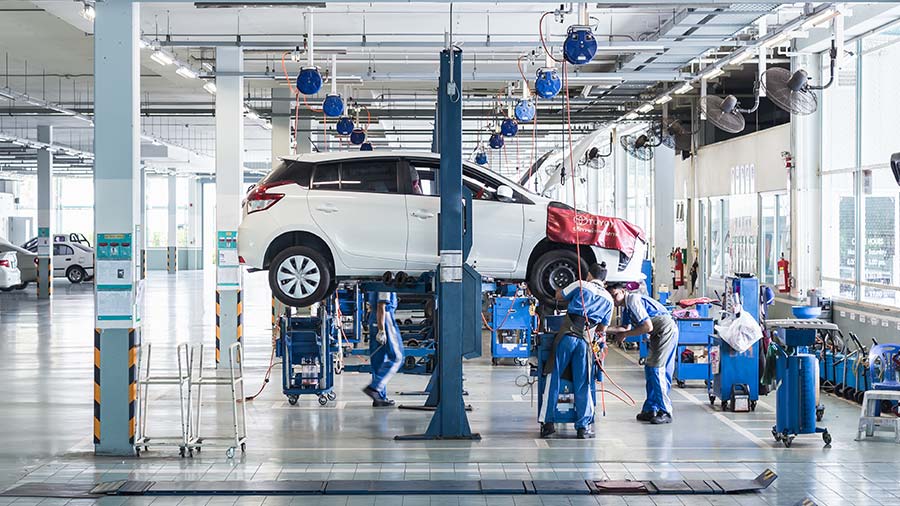
The automotive industry is a dynamic and ever-evolving sector that significantly impacts economies, technology, and daily life. From traditional internal combustion engines to the latest electric vehicles (EVs) and autonomous technologies, the automotive world is witnessing rapid transformation. In this article, we will explore automotive trends, innovations, vehicle maintenance, and the future of mobility in great detail.
The Evolution of the Automotive Industry
The history of the automotive industry traces back over a century, starting with the invention of the first practical automobile by Karl Benz in 1886. Initially, cars were considered luxury items, accessible only to the wealthy. However, the introduction of mass production techniques, particularly Henry Ford’s assembly line in 1913, revolutionized car manufacturing, making vehicles affordable for the general public.
Today, the industry is characterized by global collaboration, advanced manufacturing processes, and integration of cutting-edge technologies such as artificial intelligence, connectivity, and sustainability solutions. Manufacturers are no longer just competing on horsepower or styling—they are innovating to meet environmental regulations, consumer preferences, and smart mobility needs.
Key Segments of the Automotive Industry
The automotive sector comprises multiple segments, each contributing uniquely to the market:
1. Passenger Vehicles:
Passenger vehicles include sedans, hatchbacks, SUVs, and crossovers. This segment continues to dominate sales globally, with manufacturers focusing on fuel efficiency, safety, and comfort features.
2. Commercial Vehicles:
Commercial vehicles like trucks, buses, and vans serve businesses and industries. These vehicles prioritize durability, load capacity, and operational efficiency.
3. Electric Vehicles (EVs):
EVs are transforming the automotive landscape, driven by the demand for clean energy and reduced carbon emissions. Tesla, Rivian, and established brands like BMW and Nissan are investing heavily in EV technologies, battery innovations, and charging infrastructure.
4. Luxury and Performance Cars:
Luxury brands such as Mercedes-Benz, BMW, and Porsche continue to captivate enthusiasts with high-performance engines, advanced tech features, and premium designs.
5. Automotive Aftermarket:
The aftermarket segment includes replacement parts, accessories, customization services, and vehicle maintenance. It supports both vehicle longevity and personalization for car owners.
Automotive Innovations Shaping the Industry
The automotive industry thrives on innovation. Here are some of the most significant advancements transforming vehicles and the way we drive:
1. Electric and Hybrid Technologies:
With global emphasis on sustainability, electric and hybrid vehicles are gaining traction. Innovations include lithium-ion battery improvements, regenerative braking systems, and long-range charging solutions. Hybrid vehicles combine internal combustion engines with electric motors, optimizing fuel efficiency.
2. Autonomous Driving:
Self-driving technology is rapidly advancing. Companies like Waymo, Tesla, and General Motors are testing autonomous vehicles (AVs) equipped with sensors, cameras, and AI algorithms. Fully autonomous cars promise enhanced safety and reduced traffic congestion in the future.
3. Connectivity and Infotainment Systems:
Modern vehicles are equipped with advanced infotainment systems offering real-time navigation, wireless connectivity, voice commands, and mobile app integration. Connected cars improve convenience, safety, and entertainment for drivers and passengers.
4. Advanced Safety Features:
Safety remains a top priority in automotive development. Features such as adaptive cruise control, lane-keeping assist, blind-spot monitoring, automatic emergency braking, and airbags enhance passenger protection.
5. Lightweight Materials and Aerodynamics:
Automakers are adopting lightweight materials like aluminum, carbon fiber, and high-strength steel to improve fuel efficiency and performance. Aerodynamic designs further reduce drag, contributing to better fuel economy and stability.
Vehicle Maintenance Tips for Longevity
Regular maintenance is crucial for vehicle reliability, safety, and resale value. Here are essential maintenance practices every vehicle owner should follow:
1. Engine Care:
Regular oil changes, air filter replacements, and coolant inspections are critical to ensure optimal engine performance. Neglecting engine maintenance can lead to costly repairs.
2. Tire Maintenance:
Proper tire inflation, regular rotation, and alignment checks improve fuel efficiency, handling, and tire lifespan. Inspecting tread depth ensures safety on various road conditions.
3. Brake System Checks:
Brake pads, rotors, and fluid levels should be inspected frequently. Responsive brakes are essential for safety and preventing accidents.
4. Battery Health:
Car batteries should be inspected for corrosion, proper voltage, and secure connections. Electric vehicles require specialized attention to battery health to ensure performance and range.
5. Fluids and Filters:
Transmission fluid, brake fluid, and windshield washer fluids must be monitored and replaced as recommended by the manufacturer. Clean filters prevent engine strain and improve overall efficiency.
6. Routine Inspections:
Periodic inspections by certified mechanics can identify potential issues early. This includes suspension systems, exhaust components, and electrical systems.
Automotive Trends in 2025 and Beyond
The future of the automotive industry promises exciting developments:
1. Electric Mobility Expansion:
EV adoption will accelerate as governments provide incentives, charging infrastructure expands, and battery technology improves. Expect longer ranges, faster charging, and affordable EV options.
2. Green Manufacturing:
Automakers are increasingly focusing on eco-friendly production methods, including recycled materials, renewable energy usage, and sustainable supply chains.
3. Autonomous Fleets:
Self-driving technology will extend beyond private vehicles to public transportation and logistics. Autonomous taxis, delivery trucks, and shared mobility services will reshape urban mobility.
4. AI-Driven Vehicle Systems:
Artificial intelligence will enhance navigation, predictive maintenance, safety monitoring, and energy management systems.
5. Personalized Driving Experience:
Vehicles will offer more customization options through AI-based profiles, adaptive infotainment, and personalized comfort settings.
Pros and Cons of Modern Automotive Technologies
Understanding the benefits and challenges of modern automotive technologies helps consumers make informed decisions:
Pros:
- Reduced environmental impact with electric and hybrid vehicles.
- Enhanced safety through advanced driver-assistance systems (ADAS).
- Increased convenience with connected car technologies.
- Lower fuel and operational costs for EV owners.
Cons:
- High initial cost of electric and autonomous vehicles.
- Dependence on charging infrastructure and energy sources.
- Complexity of maintenance for advanced electronic systems.
- Potential cybersecurity vulnerabilities in connected vehicles.
FAQs About Automotive Industry and Vehicle Ownership
1. What is the difference between hybrid and electric vehicles?
Hybrid vehicles use a combination of an internal combustion engine and an electric motor, while electric vehicles rely solely on electric power from batteries.
2. How long do EV batteries typically last?
EV batteries generally last between 8 to 15 years, depending on usage, climate, and charging habits. Manufacturers often provide warranties for battery life.
3. Are autonomous vehicles safe to drive?
Autonomous vehicles are designed with multiple safety systems. However, their safety depends on technological maturity, regulatory compliance, and proper testing.
4. How often should I service my car?
Routine service intervals vary by manufacturer but generally occur every 5,000 to 10,000 miles. Always follow the manufacturer’s maintenance schedule for optimal performance.
5. What are the benefits of lightweight vehicle materials?
Lightweight materials improve fuel efficiency, reduce emissions, and enhance vehicle handling without compromising structural integrity.
6. Can I charge an electric vehicle at home?
Yes, EVs can be charged using home charging stations, providing convenience and cost savings. Public charging networks are also expanding rapidly.
7. How is technology affecting car insurance?
Advanced safety features and telematics devices can lower insurance premiums. Insurers increasingly consider vehicle technology when calculating coverage costs.
