
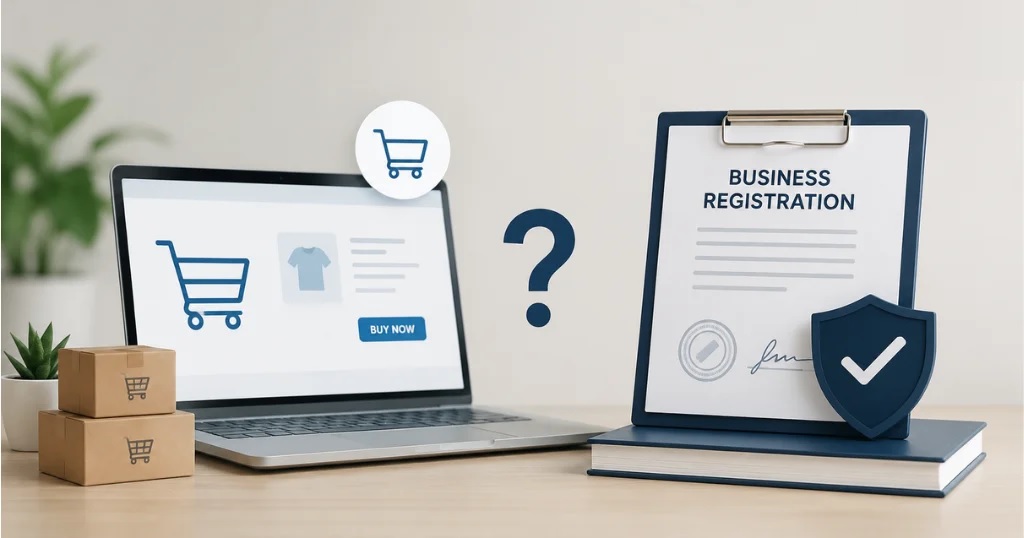
Starting an online business is an exciting opportunity for entrepreneurs who want to reach more customers and build a strong brand. With the growing popularity of online shopping, businesses can sell products and services through websites, mobile applications, and digital marketplaces. However, before launching an online store, it is important to prepare the required paperwork and understand the licensing process. Proper documentation helps entrepreneurs establish their businesses smoothly and begin operations with greater confidence.
An ecommerce license is an important requirement for businesses planning to sell products or services online. Preparing the necessary business documents in advance can make the application process more organised and reduce the chances of delays. Whether you want to launch a small online store or develop a larger digital business, understanding the documentation requirements is a valuable first step towards long-term success.
1. Choose Your Business Activity
Before preparing your documents, clearly identify the activities your online business will perform. For example, you may plan to sell clothing, electronics, beauty products, handmade items, or digital services. Your selected business activity should accurately describe what your company intends to offer.
Different activities may have different approval and documentation requirements. Therefore, review your proposed business model carefully before submitting an application. If you plan to sell several categories of products, check whether all of them can be included under your chosen activities. Making the right decision early can help you avoid unnecessary changes later.
2. Prepare Your Passport and Identification Documents
Personal identification is generally an important part of the business licensing process. Applicants may need to provide clear copies of their passports and other identification documents, depending on the licensing authority’s requirements.
Ensure that your documents are valid, readable, and consistent with the information entered in your application. Check spelling, full names, passport details, and expiry dates before submitting anything. If multiple shareholders are involved, prepare the required documents for each person.
Keeping digital copies in a dedicated folder can make the application process easier and help you access important information whenever needed.
3. Finalise Your Business Name
Your business name represents your brand and helps customers recognise your online store. Before applying for a license, shortlist suitable names that match your products, target audience, and business goals.
Check whether your preferred name meets the applicable naming rules and is available for registration. Avoid names that could create confusion with existing businesses or violate naming requirements. It is also helpful to check the availability of a matching website domain and social media usernames.
Preparing alternative names is a practical step in case your first choice cannot be approved.
4. Prepare Your Business Plan and Activity Details
A clear business plan helps you organise your ideas and explain how your online business will operate. It does not always need to be a lengthy document, but it should describe your products or services, target customers, sales channels, and expected business model.
Include details about how you will receive orders, process payments, manage inventory, and deliver products. If you plan to sell through an independent website and third-party marketplaces, mention these channels when reviewing your licensing requirements.
A well-defined business plan can also help you estimate initial expenses and prepare for future growth.
5. Arrange Additional Approvals and Documents
Some ecommerce activities may require extra approvals, depending on the products being sold and the nature of the business. Certain regulated goods may need specific permissions before they can be offered for sale.
You may also need to provide shareholder information, company formation documents, a completed application form, or other supporting paperwork. Requirements can vary according to the business structure and licensing authority.
Confirm the latest checklist before submitting your application. This helps you identify missing documents early and prevents avoidable complications.
6. Review Everything Before Submission
Before submitting your application, carefully review every document and form. Make sure all information is accurate, signatures are included where required, and files meet the requested format and quality standards.
Keep a digital backup of your submitted documents, application details, payment receipts, and official correspondence. Organised record-keeping makes it easier to respond to additional requests and track the progress of your application.
Once your license is issued, keep a copy accessible and note its renewal date so you can maintain compliance.
Conclusion
Preparing business documents carefully is an essential step towards launching a successful online venture. From choosing the right business activity and name to organising identification documents and checking additional approvals, each step contributes to a smoother application process. By preparing in advance, entrepreneurs can reduce avoidable delays and focus more effectively on building their brands. Obtaining an ecommerce license with accurate documentation provides a strong foundation for starting, managing, and growing an online business with confidence.
